
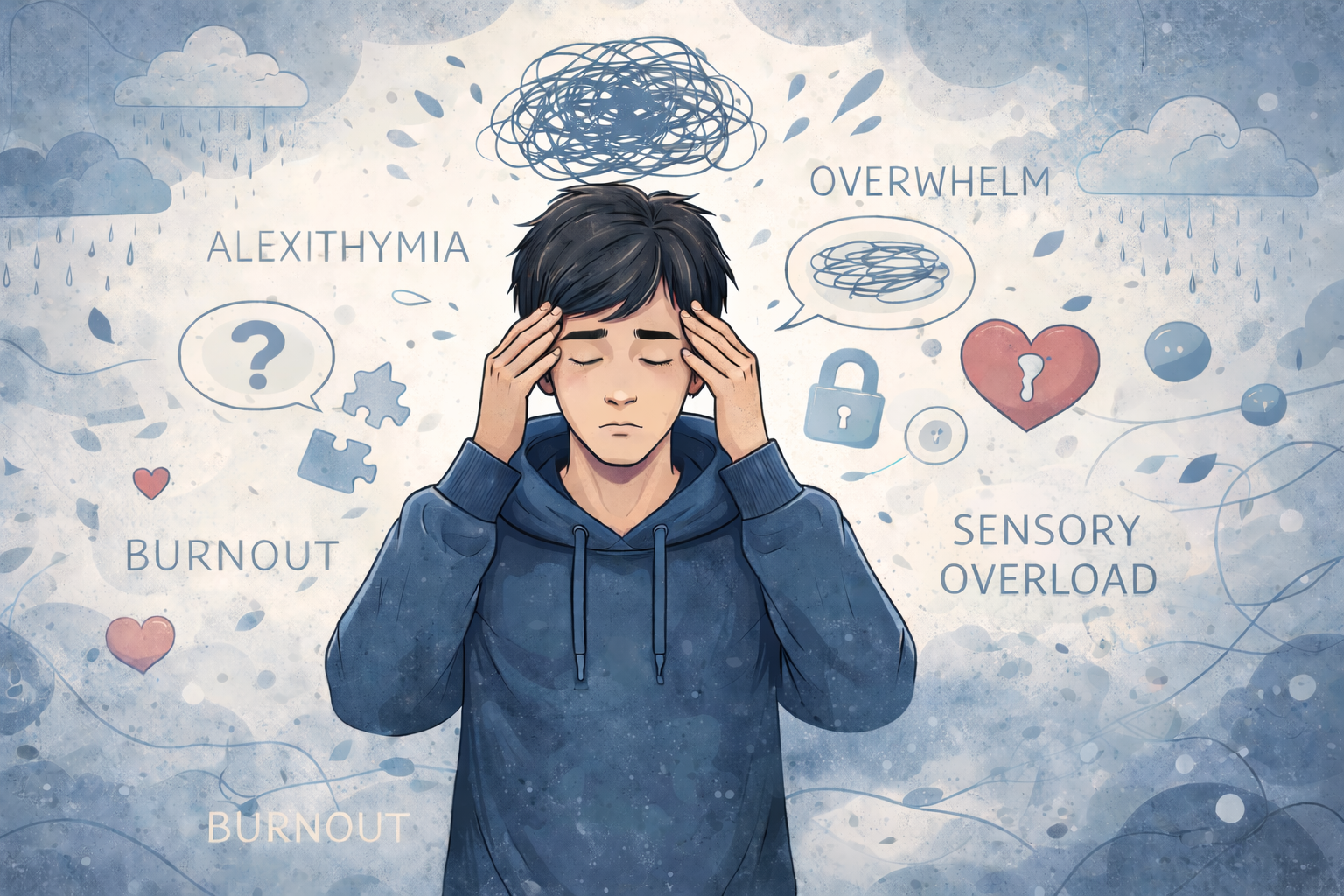
We're taught, sometimes subtly and sometimes explicitly, that certain feelings are problems to fix, obstacles to overcome or weaknesses to hide. Emotions are not random intrusions into our lives. They serve a purpose. They carry information, energy and guidance about our inner and outer worlds.
When we understand what emotions are for, our relationship with them can shift from resistance to curiosity and from control to collaboration.
Emotions are energy
At their core, emotions are forms of energy moving through the body. Just like any other form of energy, emotions cannot be created or destroyed at will; they can only change form. The word emotion itself comes from the Latin emovere, meaning "to move out" or "to set in motion." Every feeling — joy, fear, anger, sadness — creates a physiological response: changes in breath, muscle tension, heart rate, temperature and posture. Our emotions are intrinsically linked to our physiology. We can connect with each other via our emotions: through empathy, love, intimacy, physical touch, a shared experience.
Emotional energy is designed to mobilise us. Fear prepares the body for protection. Anger generates force and boundaries. Sadness creates a reflective pause. Joy expands us toward connection and creativity. Emotions are not abstract mental states; they are embodied signals that prompt movement, action and reflection. They exist whether we like it or not; we don't get to control our emotions, but we are also not beholden to them — we can choose what to do with them when they turn up.
When emotional energy is allowed to move and complete its cycle, it naturally resolves. Suppressing, numbing, ignoring and judging emotions means they show up in other ways, because energy doesn't disappear; it transforms. Anxiety and depression are forms of chronic emotional stuckness. Identifying emotions as energy allows us to begin to understand their natural process.
There's no such thing as a negative emotion
The cultural norm is to divide emotions into positive and negative categories, with the vast majority being grouped into the negative zone, creating a huge imbalance in our relationship with our emotions. Emotions themselves are neither good nor bad; they are informative and valuable. What we label as negative emotions are usually those that feel uncomfortable or disruptive — we forget that disruption has its benefits; rebellion instigates change.
Anger can signal injustice or a crossed boundary. Fear can alert us to danger or misalignment. Sadness honours what matters deeply to us. Shame can highlight our need for belonging and acceptance.
Problems arise not from emotions themselves, but from how we respond to them. Suppressed anger can become resentment. Unacknowledged grief can turn into depression. Avoided fear can limit growth. When emotions are listened to rather than dismissed, they often reveal wisdom about our needs, values and limits.
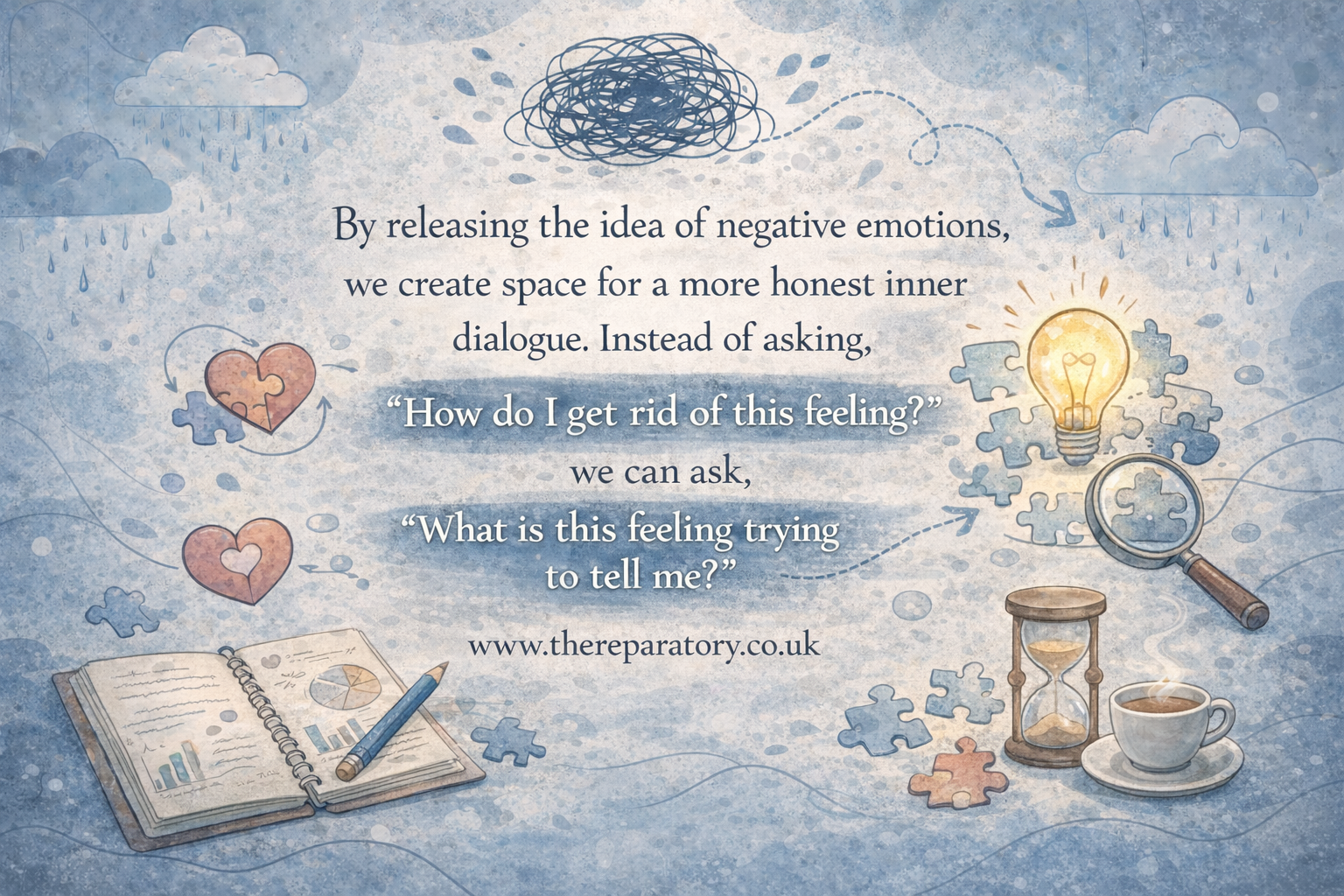
By releasing the idea of negative emotions, we create space for a more honest inner dialogue. Instead of asking, "How do I get rid of this feeling?" we can ask, "What is this feeling trying to tell me?"
Anger does not equal violence
I often meet people who believe that the inevitable outcome of anger is violence and aggression — so much so that they do everything in their power to never express even the slightest frustration and are left exhausted by the constant efforts to suppress their anger. Sometimes this process of suppression has become so automatic that anger doesn't even register at a conscious level as something they experience. Emotions are a natural phenomenon; behaviour is an active choice. Violence is a choice.
This distinction is important: emotions arise automatically, sometimes with influence from conscious processes, though most often not through conscious control. The decisions we make about how to behave are shaped by social norms, cultural influence, self-regulation and our unique web of life experience. Behaviours are a conscious process. Recognising this difference gives us the option to embrace strong emotions, pay attention to them and remain centred in the knowledge that neither we nor others need come to harm as a result of what we feel.
Regulation does not mean suppression
Emotional regulation is frequently misunderstood as staying calm at all costs or eliminating strong feelings. In reality, regulation is not about shutting emotions down; it's about staying present with them without becoming overwhelmed.
Suppression pushes emotions out of awareness. Regulation allows them to be felt safely and consciously. A regulated nervous system doesn't mean you never feel anger, grief or fear; it means you can experience those emotions without losing your sense of agency or connection. When they are regulated, emotions become integrated. They inform decisions, deepen relationships and support resilience. Emotional regulation is not the absence of emotions. It is a respect for and understanding of our emotional experiencing.
Emotions as allies, not enemies
Emotions are not obstacles to logic, productivity or growth. Quite the opposite. They are essential data points in human experience. When respected and utilised, they help us navigate relationships, make meaning of experiences and stay aligned with what matters to us. When we treat emotions as enemies, we wage war against ourselves. When we treat them as allies, we gain access to clarity, intuition and connection.
Learning to work with our emotions, rather than against them, is not about becoming more emotional. It's about becoming whole. Connected. Contented.
Breaking news! We don't need to name our emotions to learn to work with them. There are thousands of languages across the world, each with a different range of emotion words. If you experience alexithymia, sometimes starting with your sensory or bodily experience can help, along with paying attention to repeated patterns in your responses.
Lucy-Mai McCann, thereparatory.co.uk, February 2026
