

Introversion is not a deficit. Extroversion is not a talent. Both are personality traits.
There is a tendency within many cultures to equate confidence with competence and sociability with leadership. As a result, quieter personalities can easily be underestimated. We celebrate the loudest voice in the room, we admire charisma, we encourage networking, public speaking and constant interaction. Truly constant.
Introversion has long been misunderstood. Mistaken for shyness, aloofness or a lack of confidence. Introversion is simply a personality trait. Introverts tend to recharge through solitude or quiet environments, while extroverts generally gain energy from social interaction. One isn't better than the other, they're simply different ways of engaging with the world.
Society attaches assumptions to characteristics, an introvert may be labelled as antisocial because they enjoy time alone, or overlooked for leadership because they are quieter in meetings. These assumptions have little to do with a person's actual capability or intelligence.
Introversion brings qualities that are deeply valuable, both to individuals and to society as a whole. Many introverts possess an exceptional ability to focus deeply on complex tasks and excel when given uninterrupted time to think, create and solve problems.
Writing, conducting research, designing software, crafting works of art: much of humanity's greatest progress has depended on people who are prepared to spend long periods working quietly behind the scenes.
Introverts tend to cultivate rich inner lives. Their natural lean towards reflection gives space for developing self-awareness, establishing clear values, motivations and beliefs.
These qualities don't just benefit individuals, they benefit all of us.
Healthy societies need diversity, not only of backgrounds and experiences, but also of temperaments. Extroverts often bring energy, enthusiasm and momentum. They connect people, inspire action and build communities. Introverts contribute reflection, analysis, patience and depth. They ask the difficult questions, identify potential risks and ensure that important decisions are carefully considered before action is taken.
History repeatedly shows the value of this balance. Innovation rarely comes from one type of person alone. Great ideas emerge through quiet reflection before being shared by confident communicators. Successful organisations rely on both visionary leaders and thoughtful planners. Families need both energetic encouragers and calm listeners. Communities flourish when different personalities complement one another rather than compete. The strength of society lies in its variety.
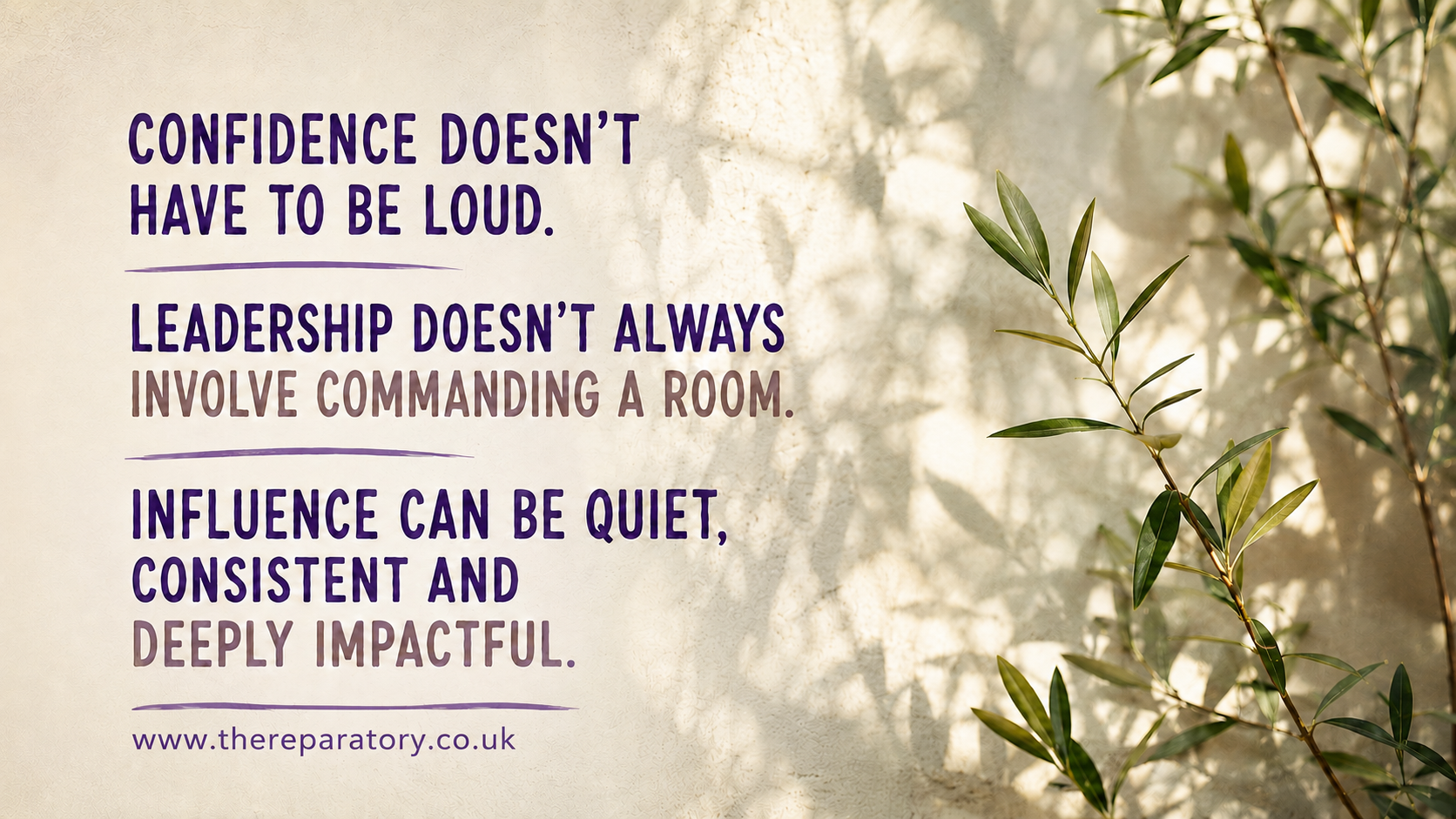
For those who are introverted, there can be pressure to become more outgoing, to speak more often, network more aggressively or constantly put themselves at the centre of attention. Personal growth sometimes involves stepping outside our comfort zone, but it does not require abandoning our natural temperament. Confidence doesn't have to be loud. Leadership doesn't always involve commanding a room. Influence can be quiet, consistent and deeply impactful.
Recognising the value of introversion does not diminish the importance of extroversion. Society thrives because people contribute in different ways. Some are natural speakers; others are gifted listeners. Some generate excitement; others provide stability. Some lead from the front, while others lead through wisdom, preparation and careful example.
The goal is not to determine which personality is "better". It is to learn to celebrate the fact that human beings are wonderfully varied. Progress depends not on everyone thinking, speaking or acting alike, but on different strengths working together.
The next time you find yourself in a room where the quietest person hasn't spoken much, resist the temptation to assume they have nothing to offer. They may simply be listening, observing and waiting for the right moment. And when they do speak, you may discover that their thoughtful contribution changes the conversation in ways that louder voices could not.
The world doesn't just need people who speak boldly. It also needs those who think deeply, listen carefully and remind us that some of the most enduring contributions are made quietly.
Lucy-Mai McCann, thereparatory.co.uk, June 2026
